SCINTILLAB
Curiosity as a Method: A Kit and Teacher Training to Transform Classrooms into Laboratories
2026
Education and Civic engagement
Contributo scientifico CNR – Unità Relazioni con il Pubblico e Comunicazione integrata
Co-progettazione Fondazione OpenDot
What use can ramps, makeshift scales, little theaters, and numberless dice have in the classroom? They can transform the classroom into a laboratory where children and teachers explore how the world works together.
These and other objects - mysterious, yet also beautiful to look at, touch, and use - are part of Scintillab, the educational kit and training project that supports elementary school teachers in teaching science, promoted by the Fondazione Agnelli together with Ferrari, with scientific input from the CNR – Public Relations and Integrated Communication Unit and co-designed by the Fondazione OpenDot.
At the heart of Scintillab is inquiry-based learning: an approach in which the teacher does not provide answers but guides the class to observe, hypothesize, and verify.
The scientific method is applied through hands-on activities to understand light phenomena, forces, and stability, and to introduce probabilistic reasoning. All of this is done with a lighthearted spirit, active participation, and fun, in the knowledge that making mistakes and trying again is part of the journey—not an obstacle, but an essential ingredient.
It is a method that aligns perfectly with our approach to education and our project, which has always centered on the body, a culture of doing, and shared discovery, and uses listening, co-design, and digital fabrication as tools.
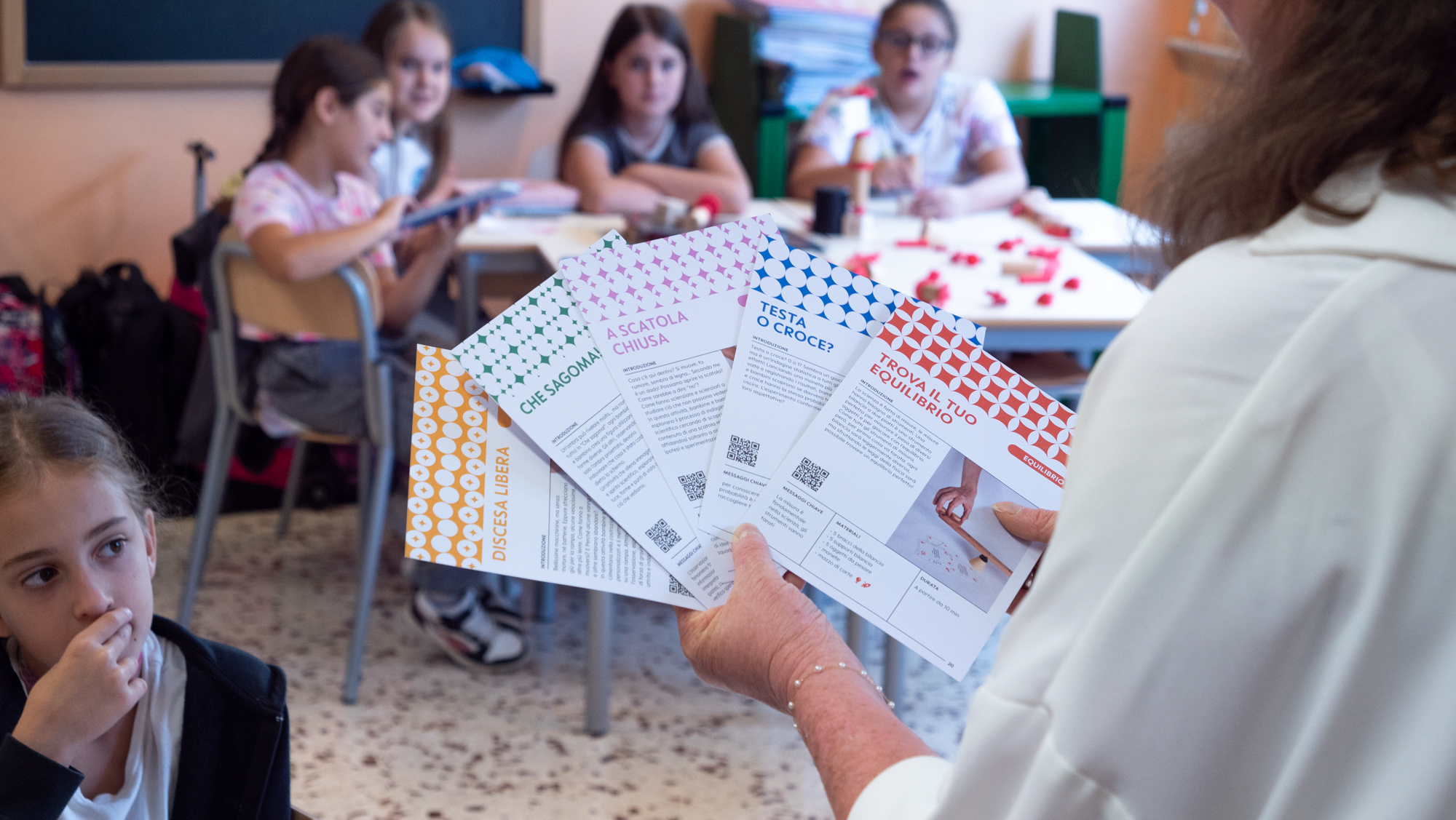
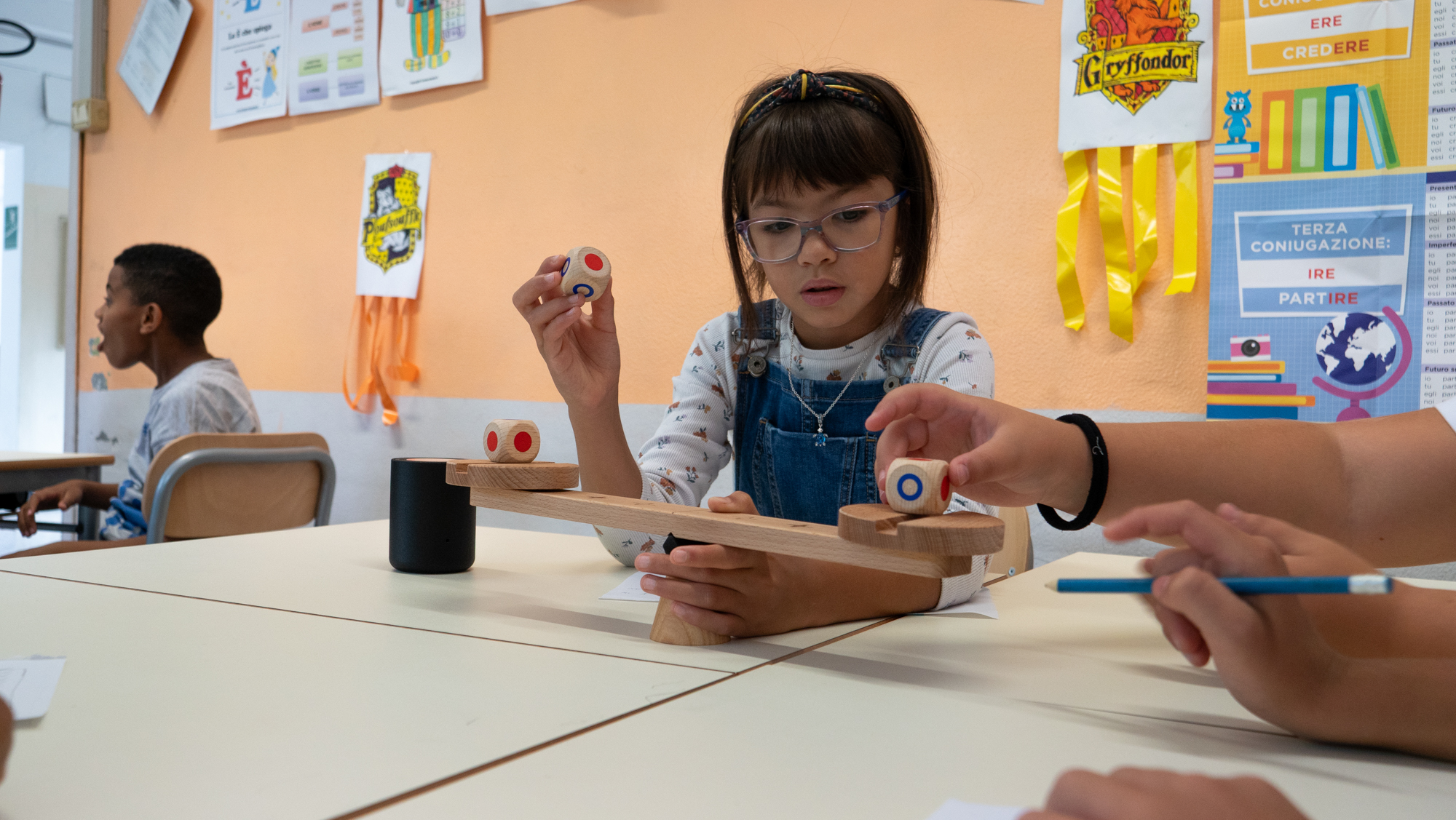
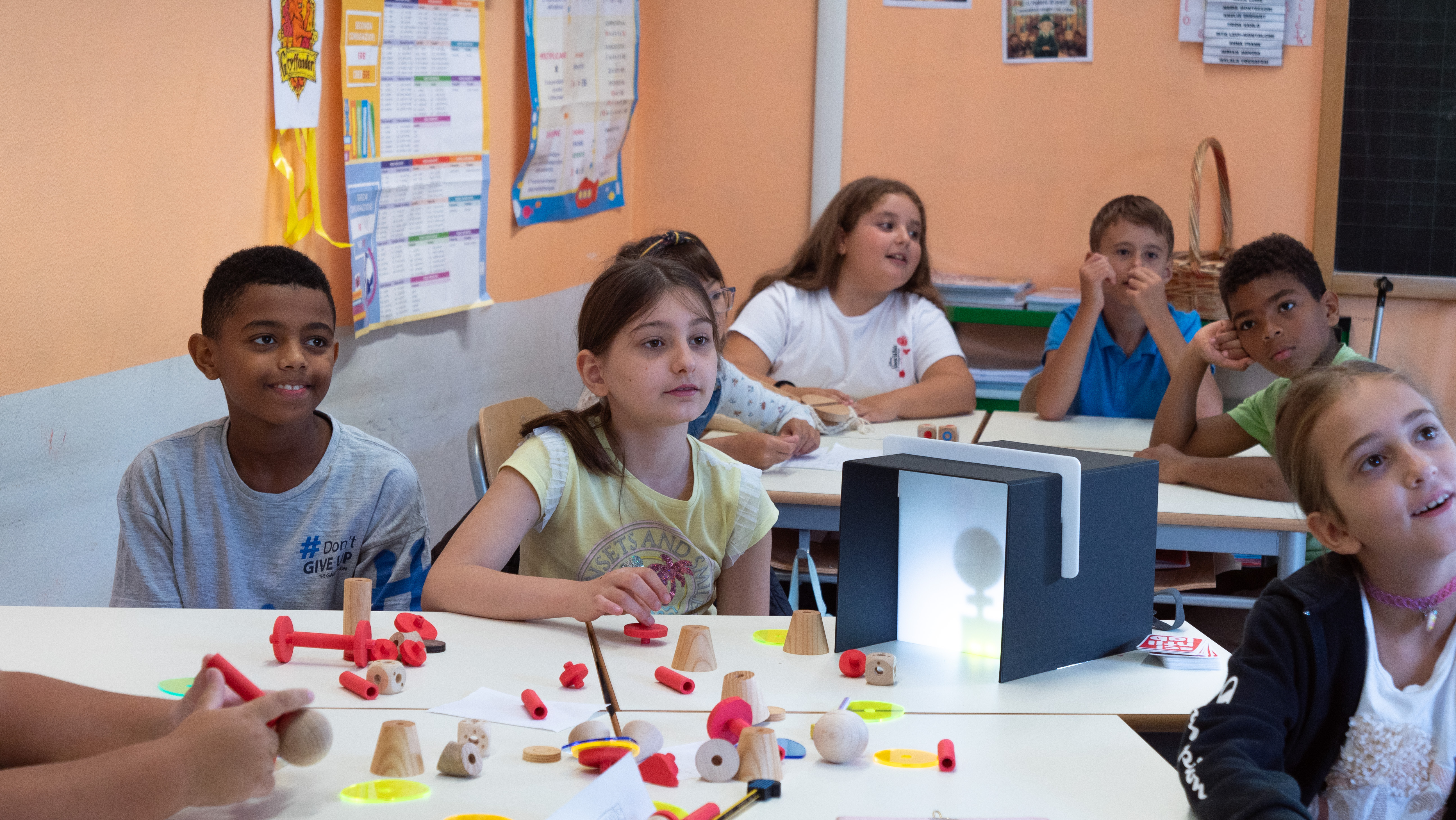
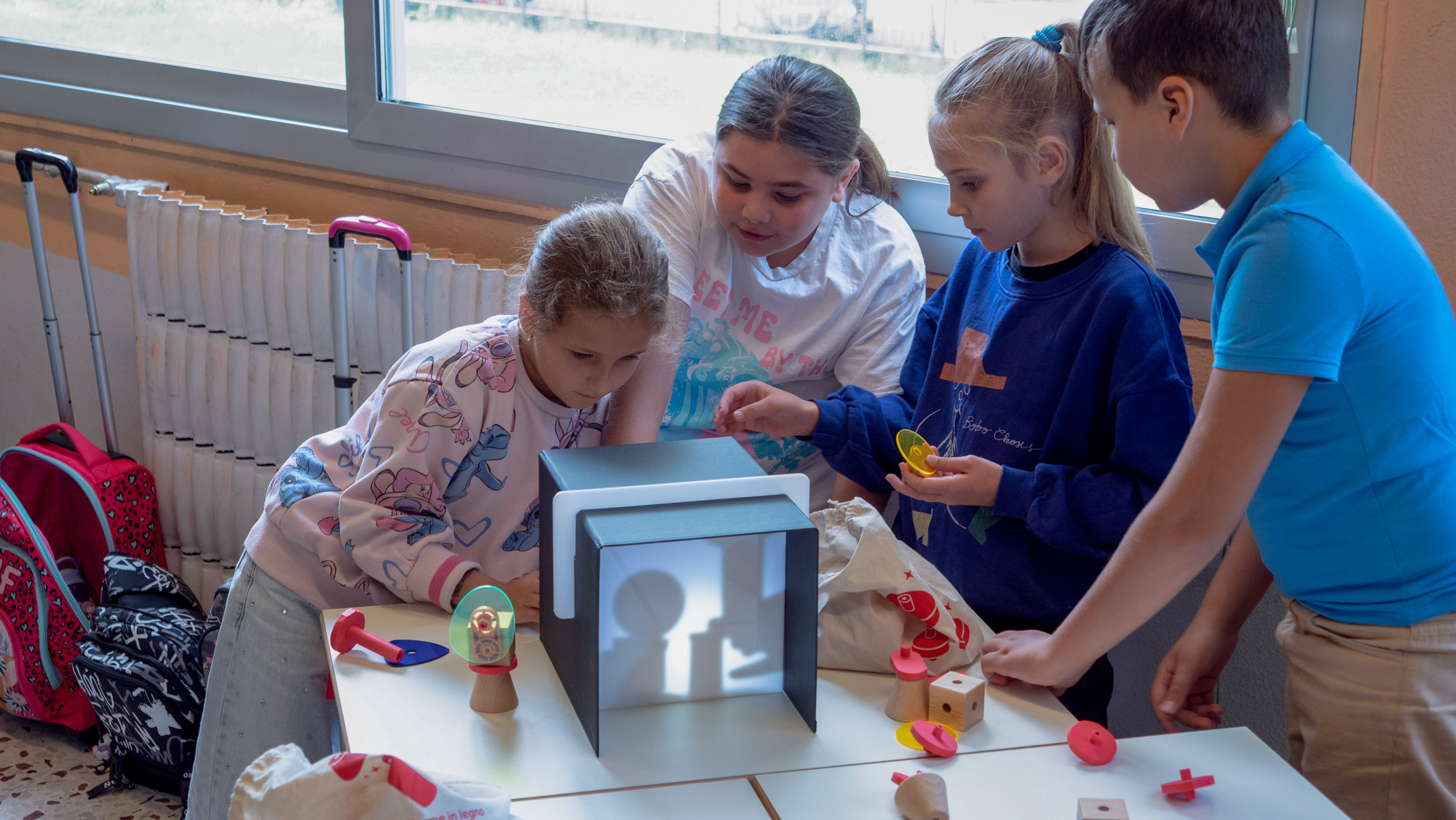
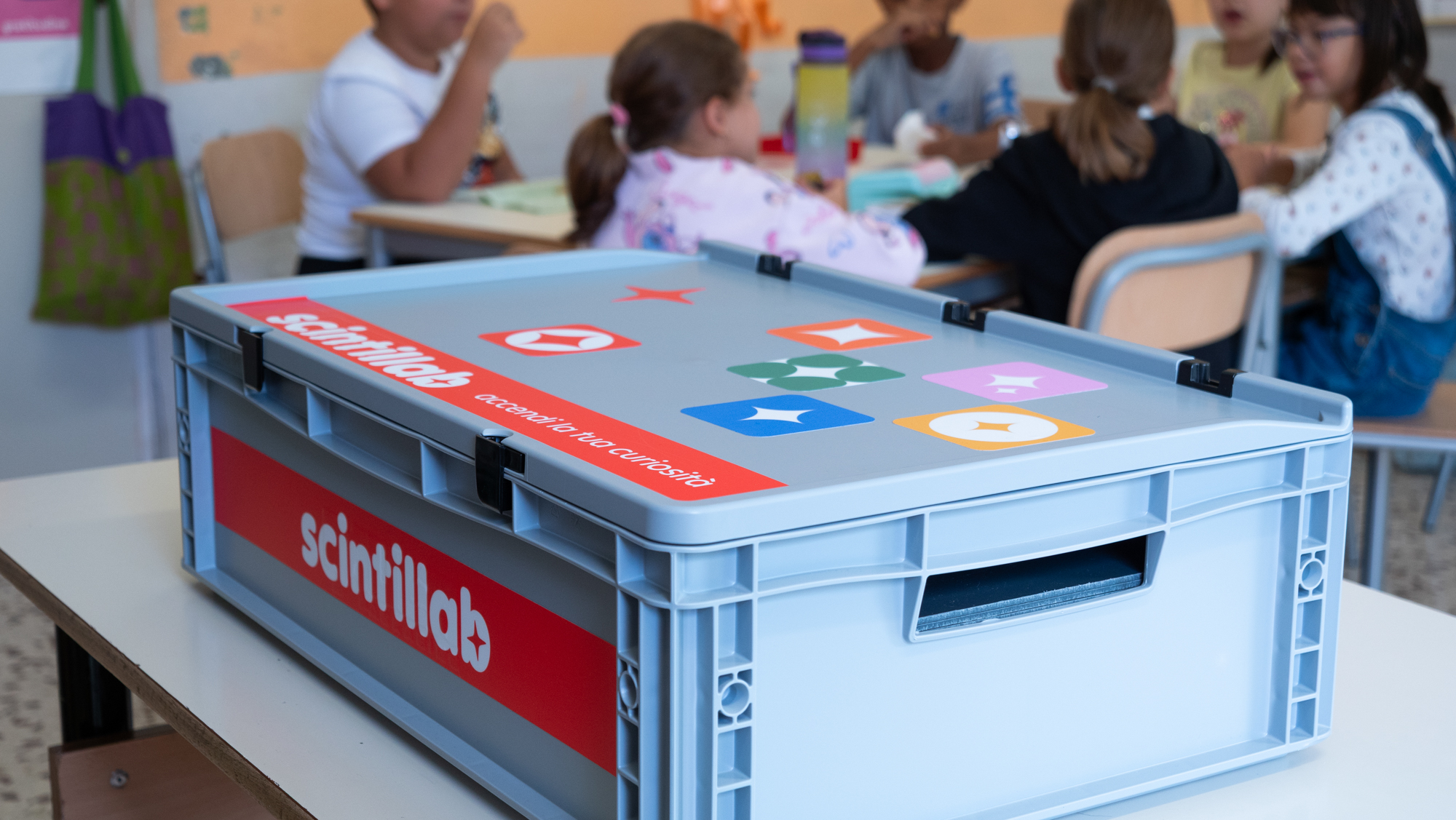
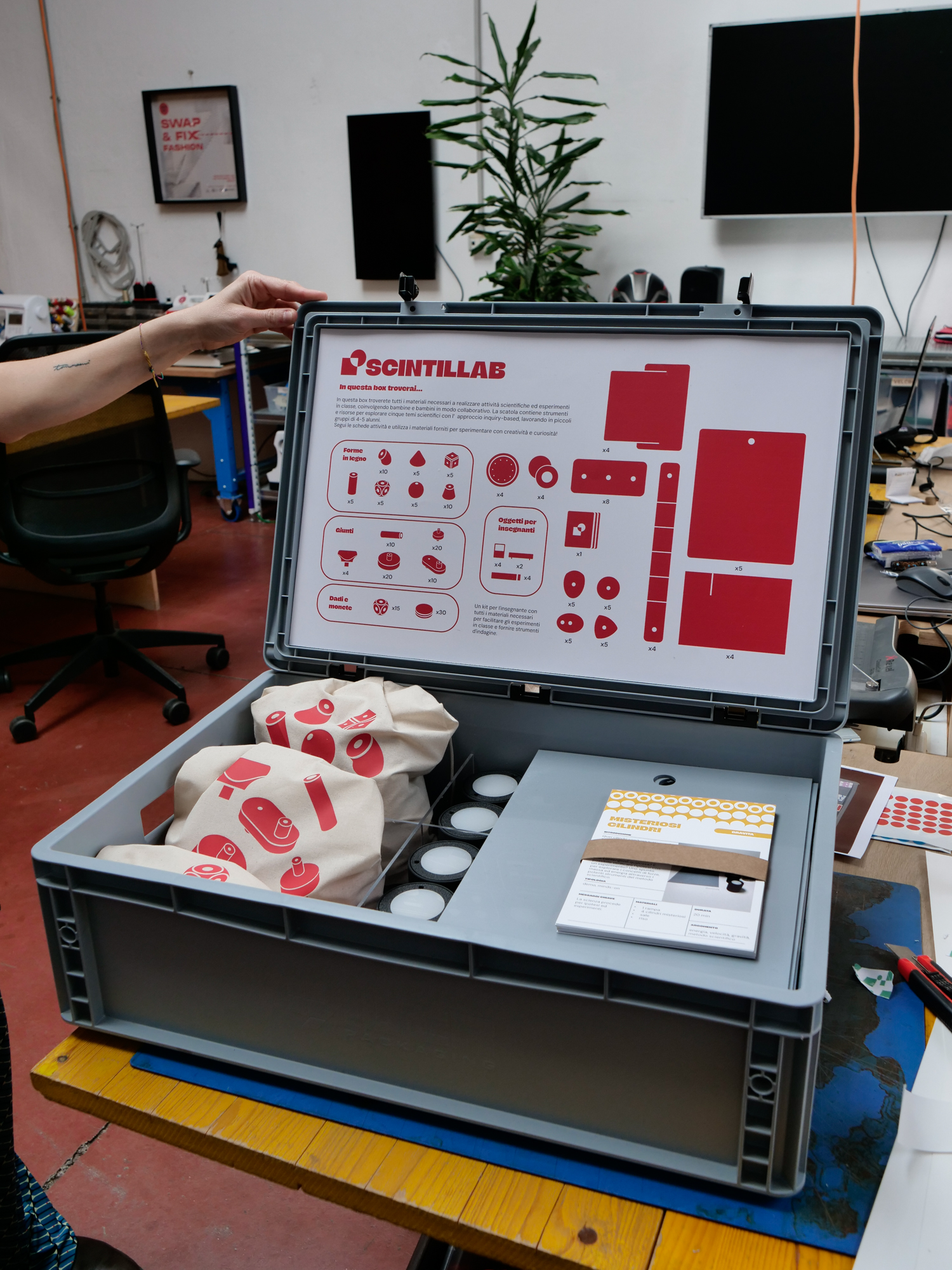
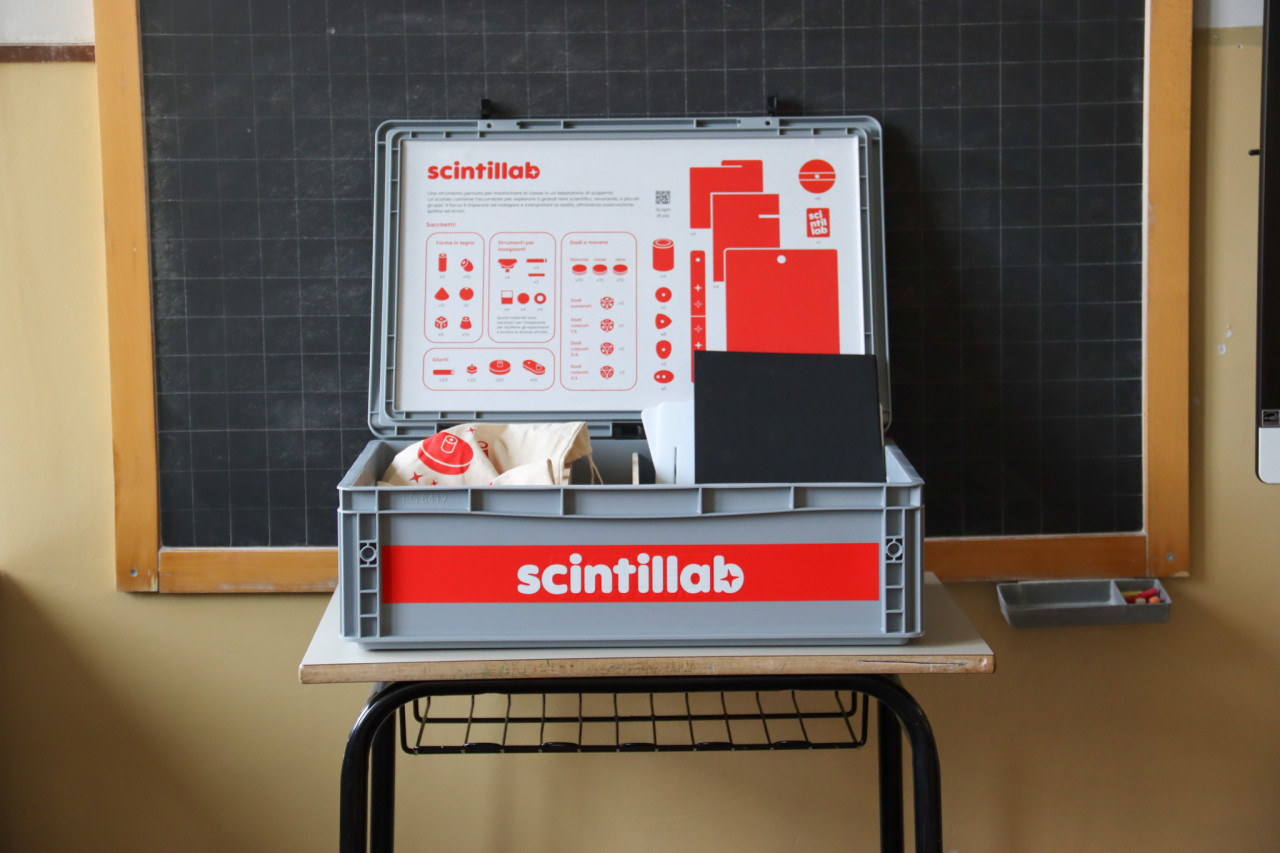
The educational kit, known as the “box,” is a container holding materials co-designed specifically by OpenDot and experts from the CNR to explore five major scientific themes, which are addressed through small-group work with four or five children. Each theme is an invitation to ask questions:
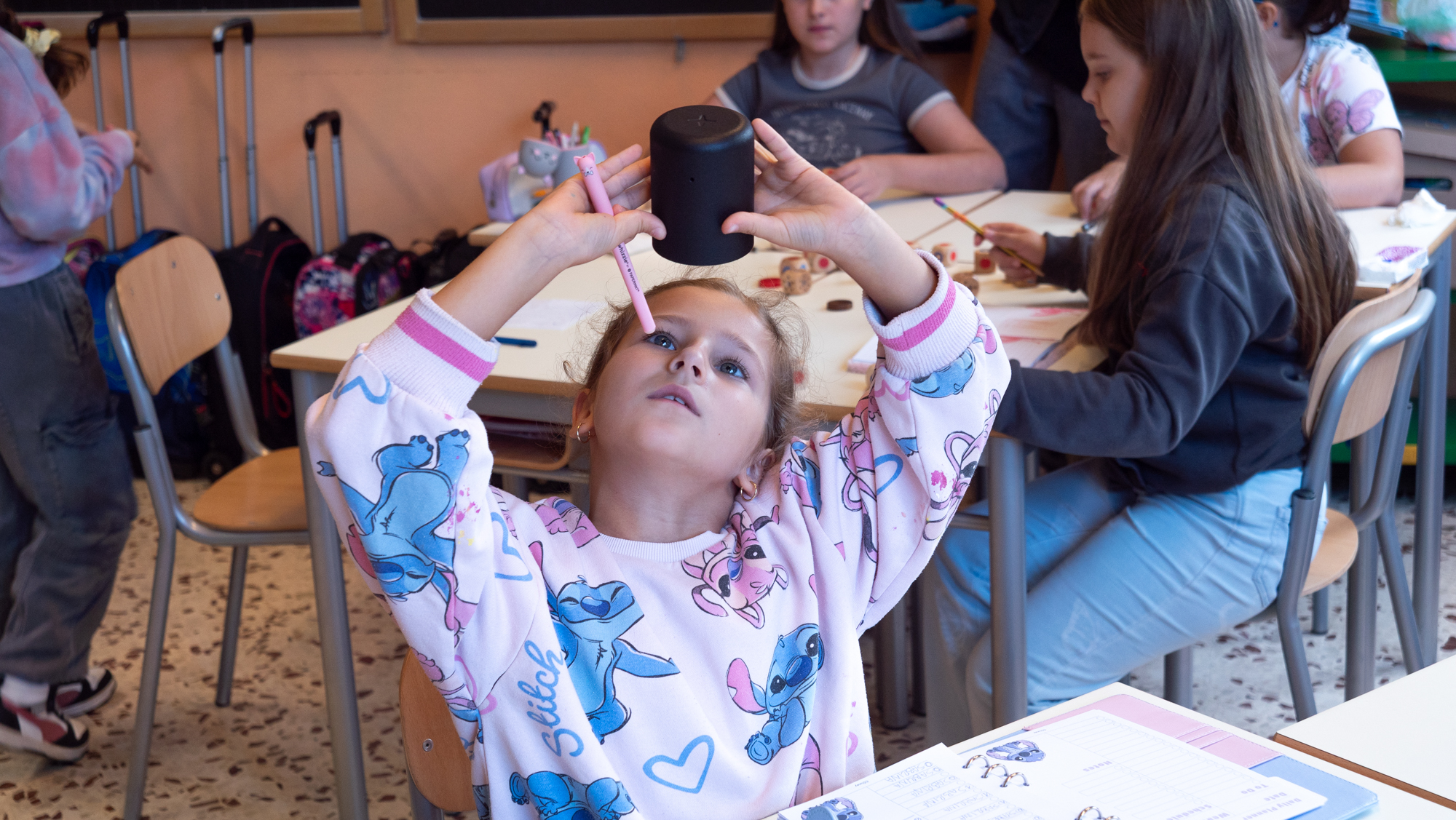
Investigation: a closed cylinder with something making a noise inside. How can we study its contents without opening it? The children use their senses—sound, the sensation of shifting weight, movement—to formulate hypotheses about what’s hidden inside. An exercise in pure observation, much like how real research actually works.
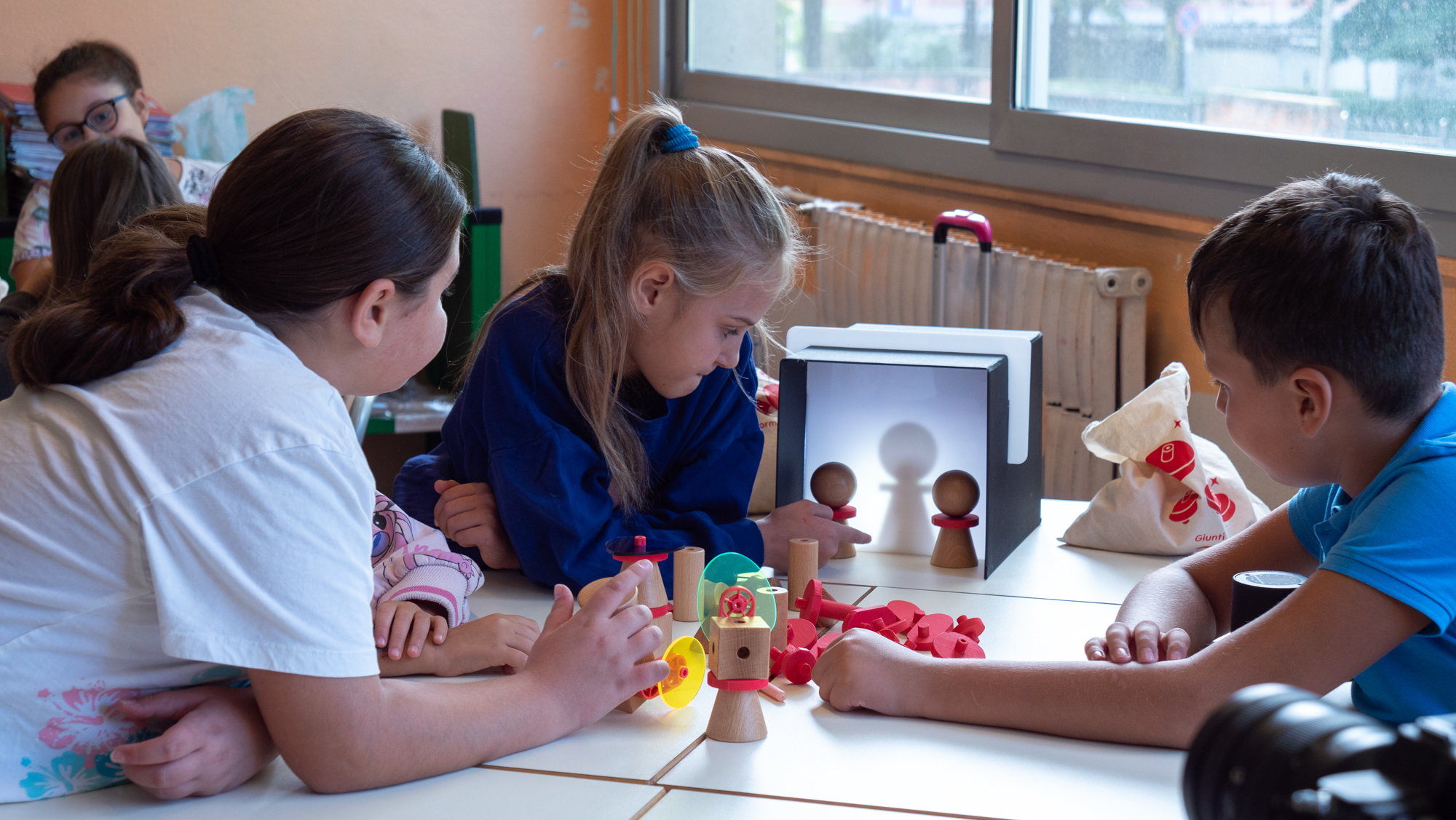
Shadows: four activities to explore light and its play. We start by recognizing simple geometric shapes and move on to creating shadows to project on our own: a journey that blends perception, geometry, and creativity.
Gravity: wheels of different shapes and materials, sloped ramps, rolling objects. Four activities to explore movement, acceleration, and the force of gravity—by building toy cars and observing how things change as shape or material varies.
Balance: two activities to challenge the laws of physics and find the right balance. Children compare and measure different objects, exploring the concepts of weight and balance through hands-on activities.
Probability: five activities based on tossing and drawing. By observing how results change as the characteristics and number of objects vary, students develop a concrete understanding of what “probability” means.
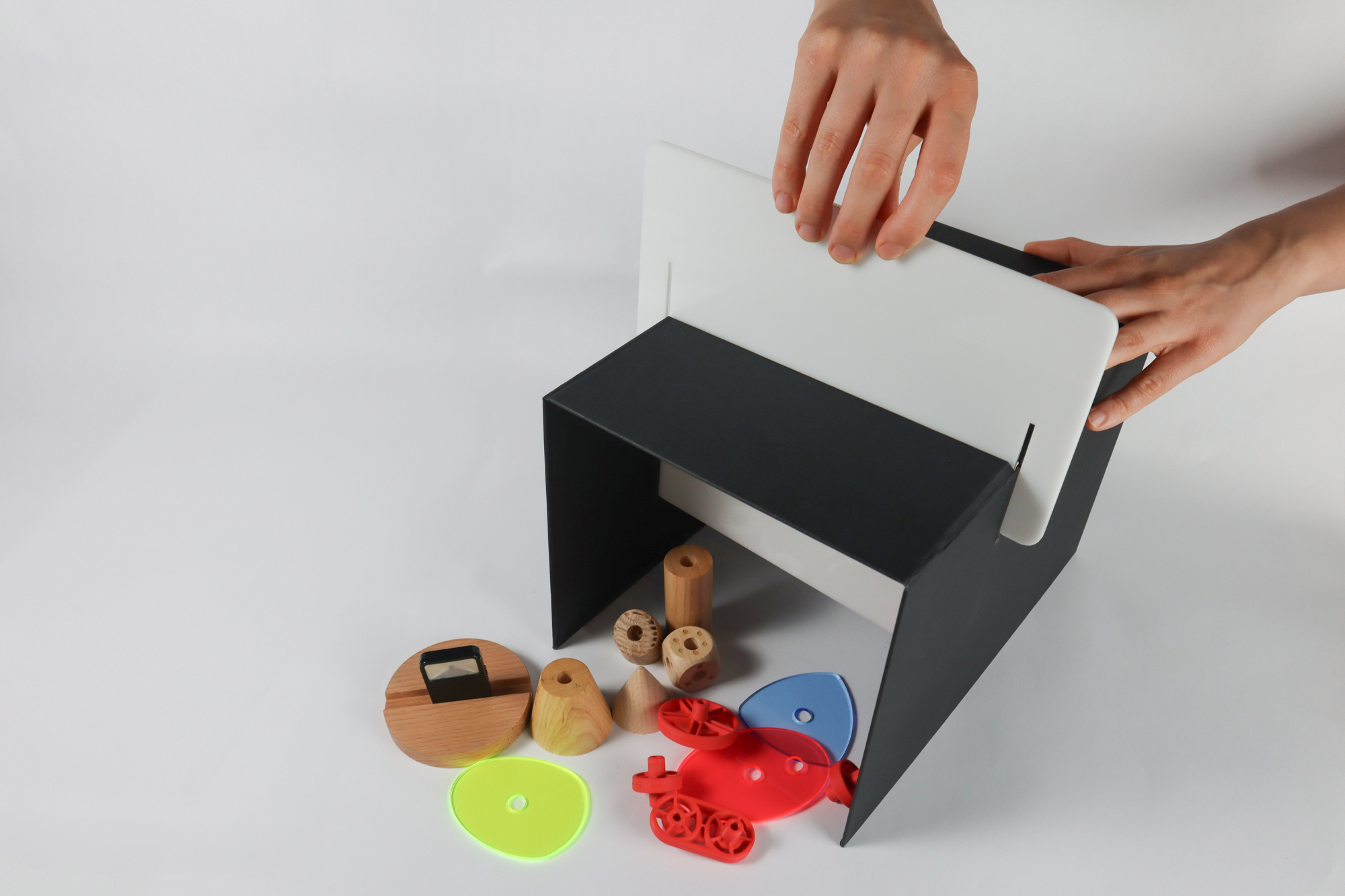
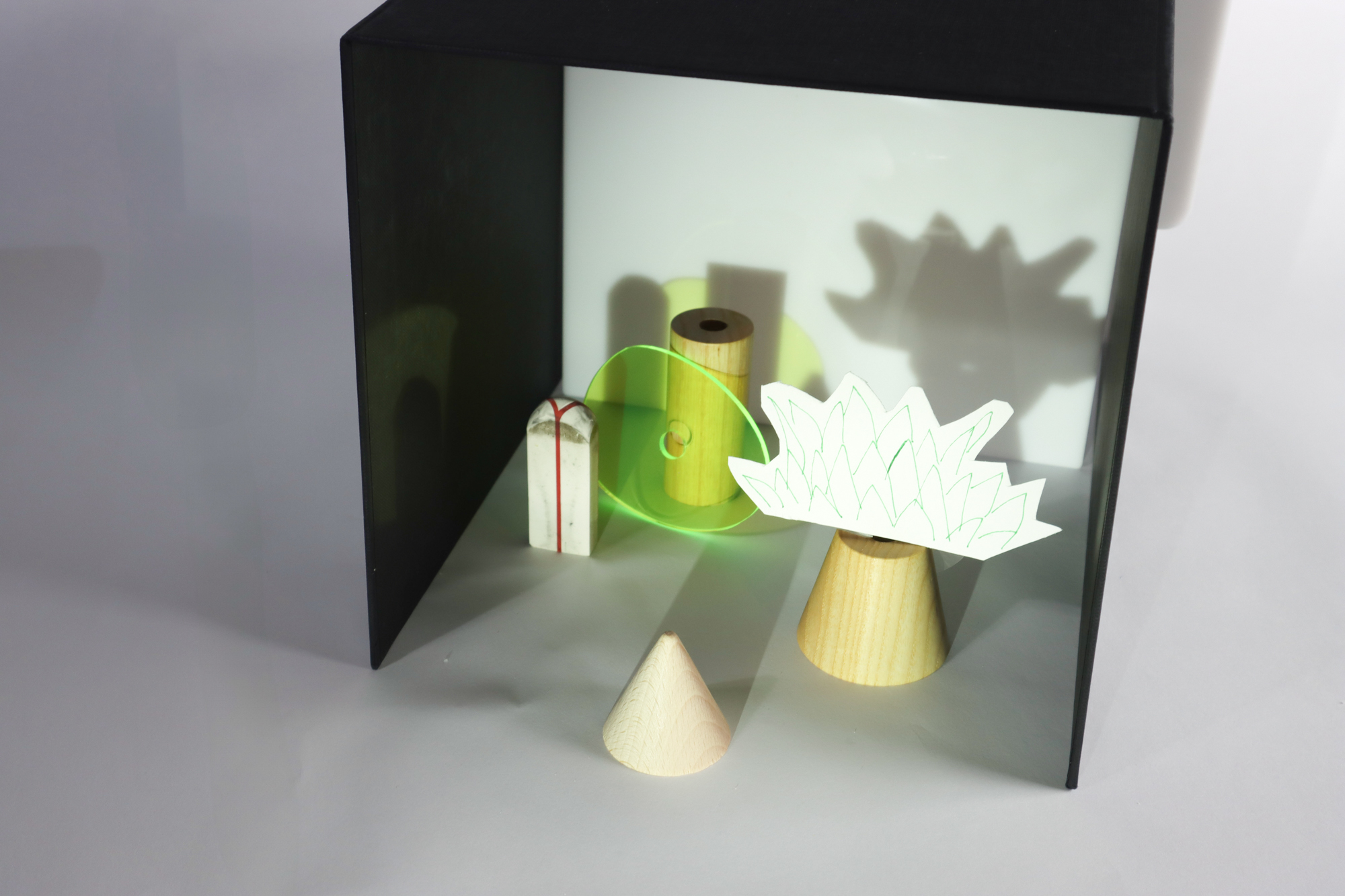
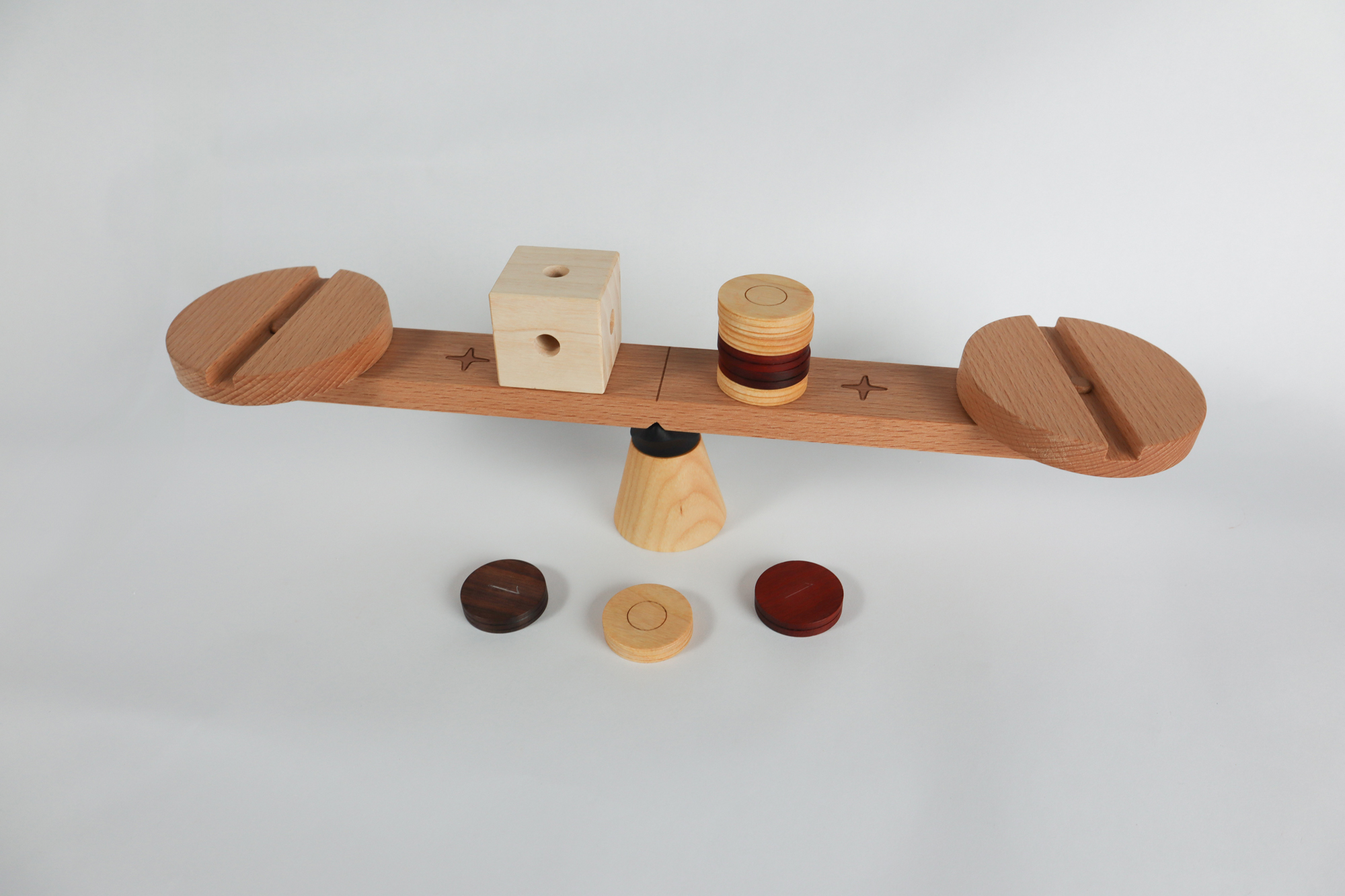
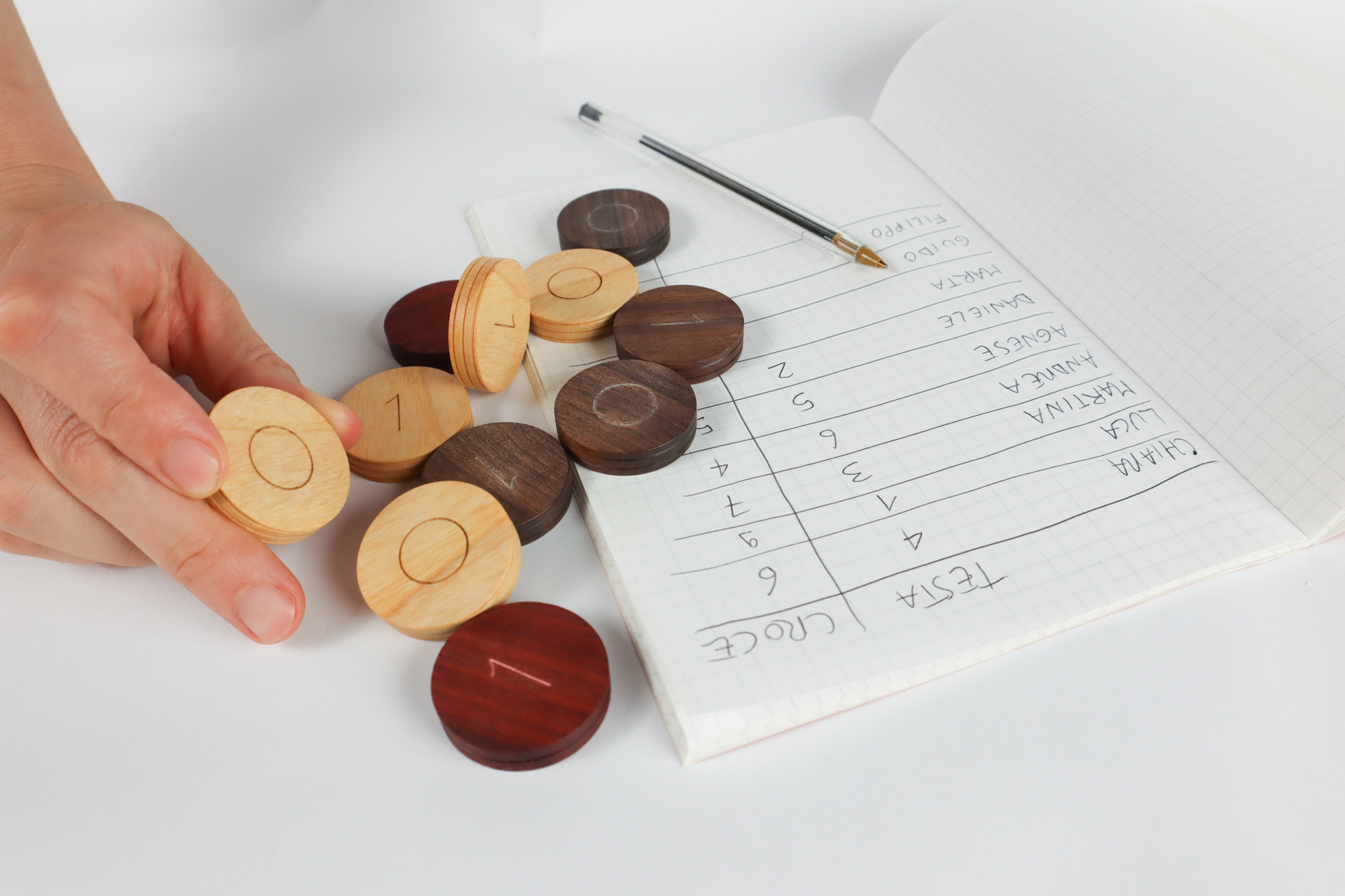

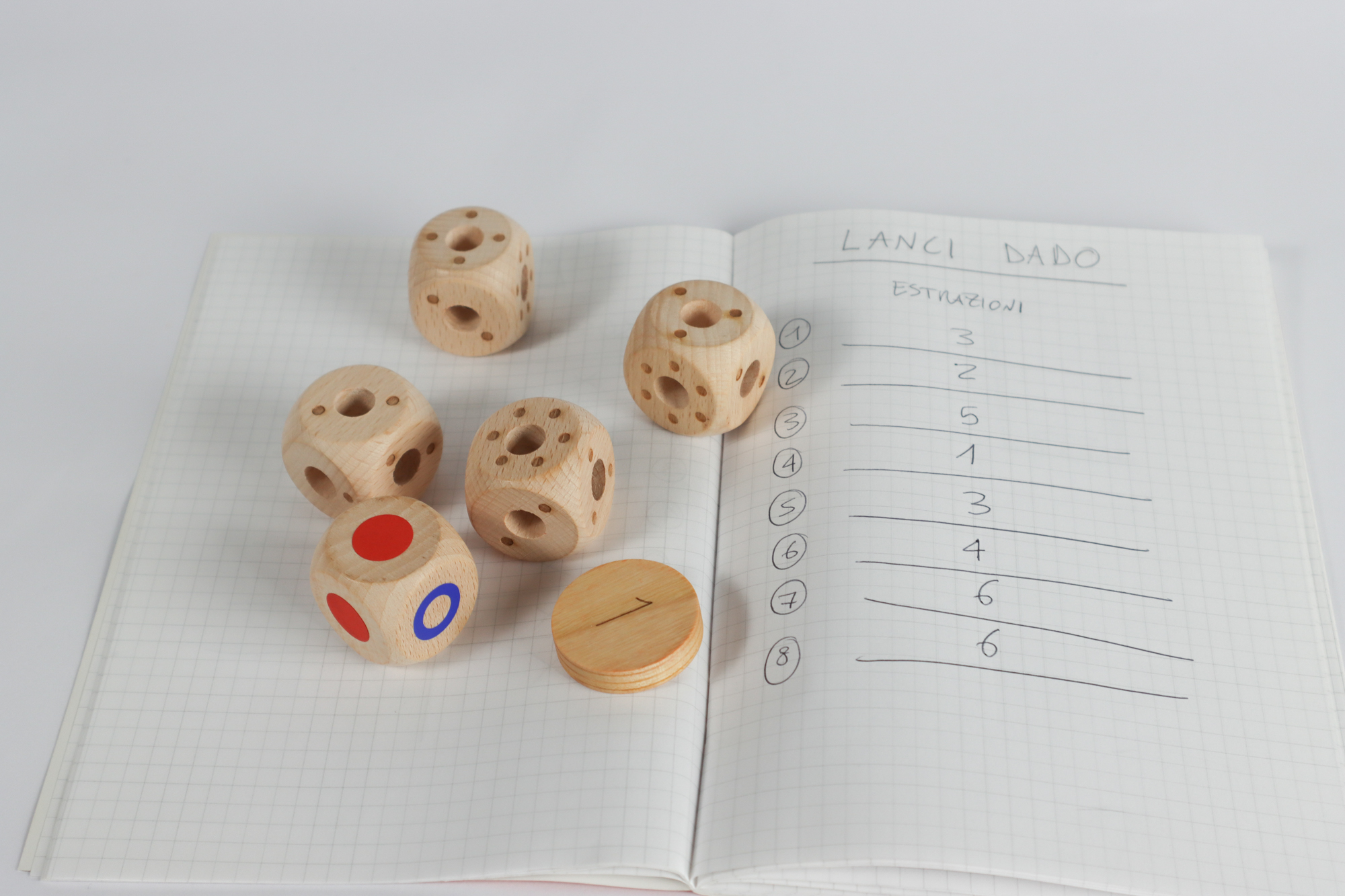
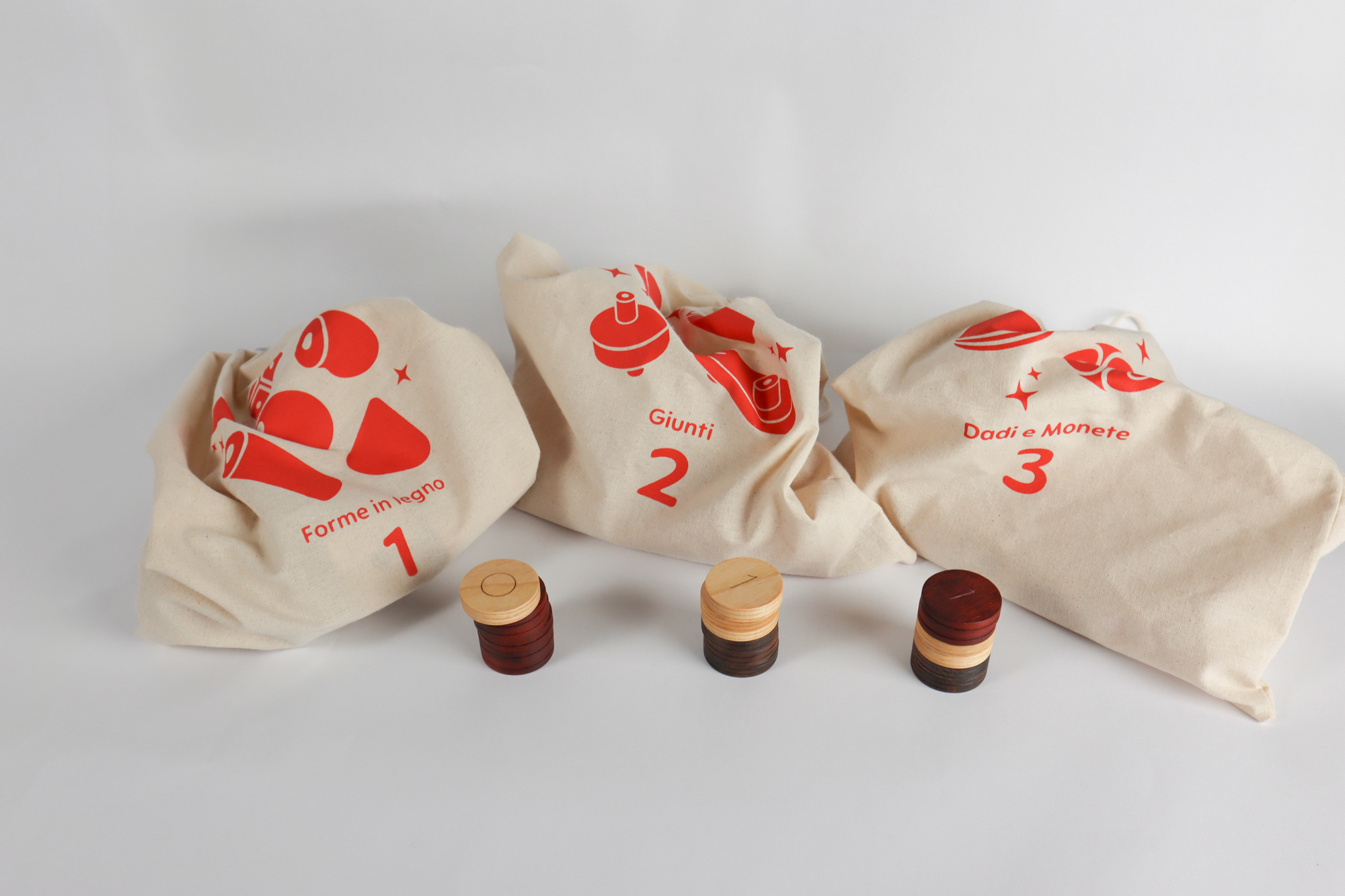
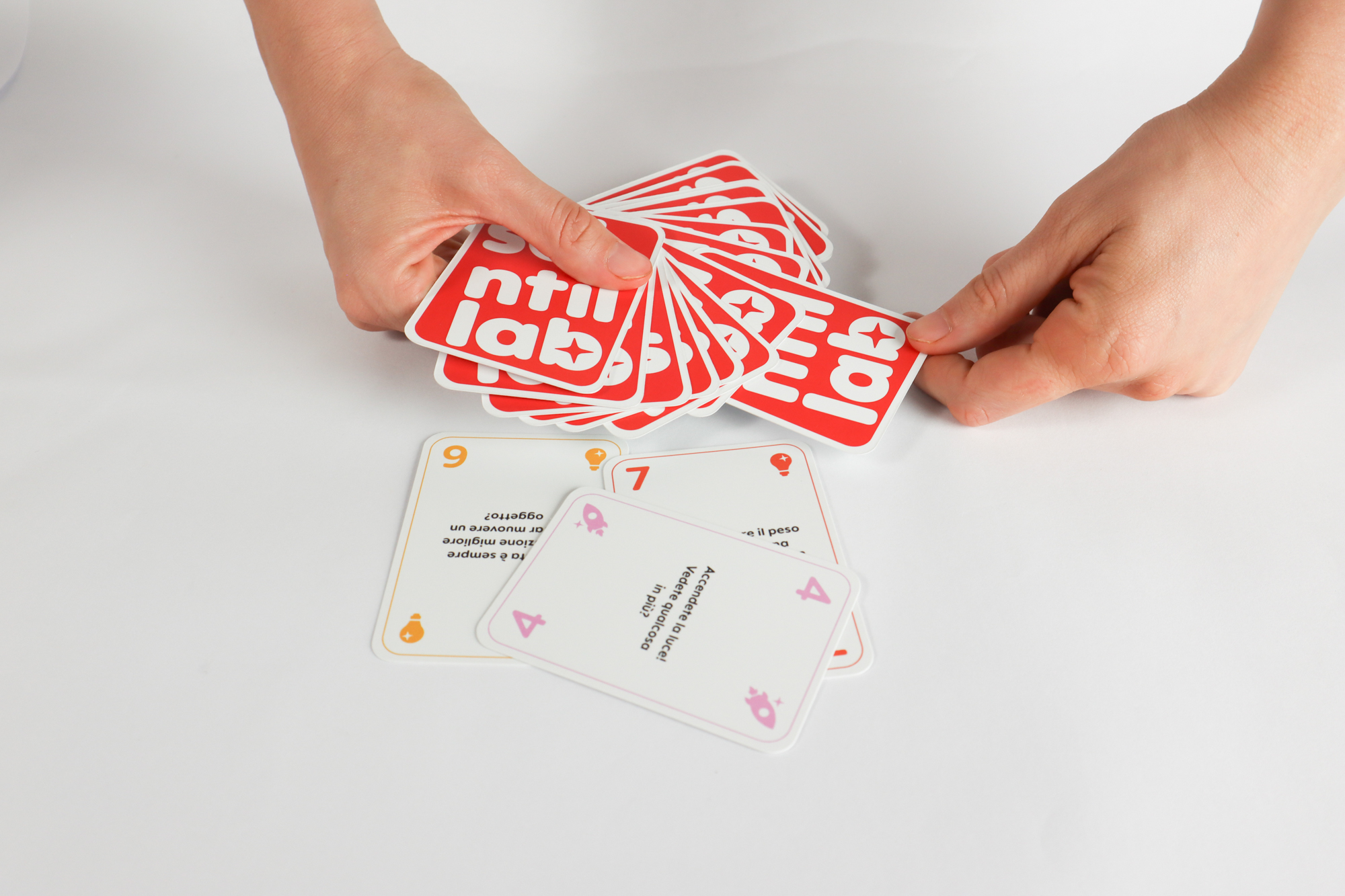
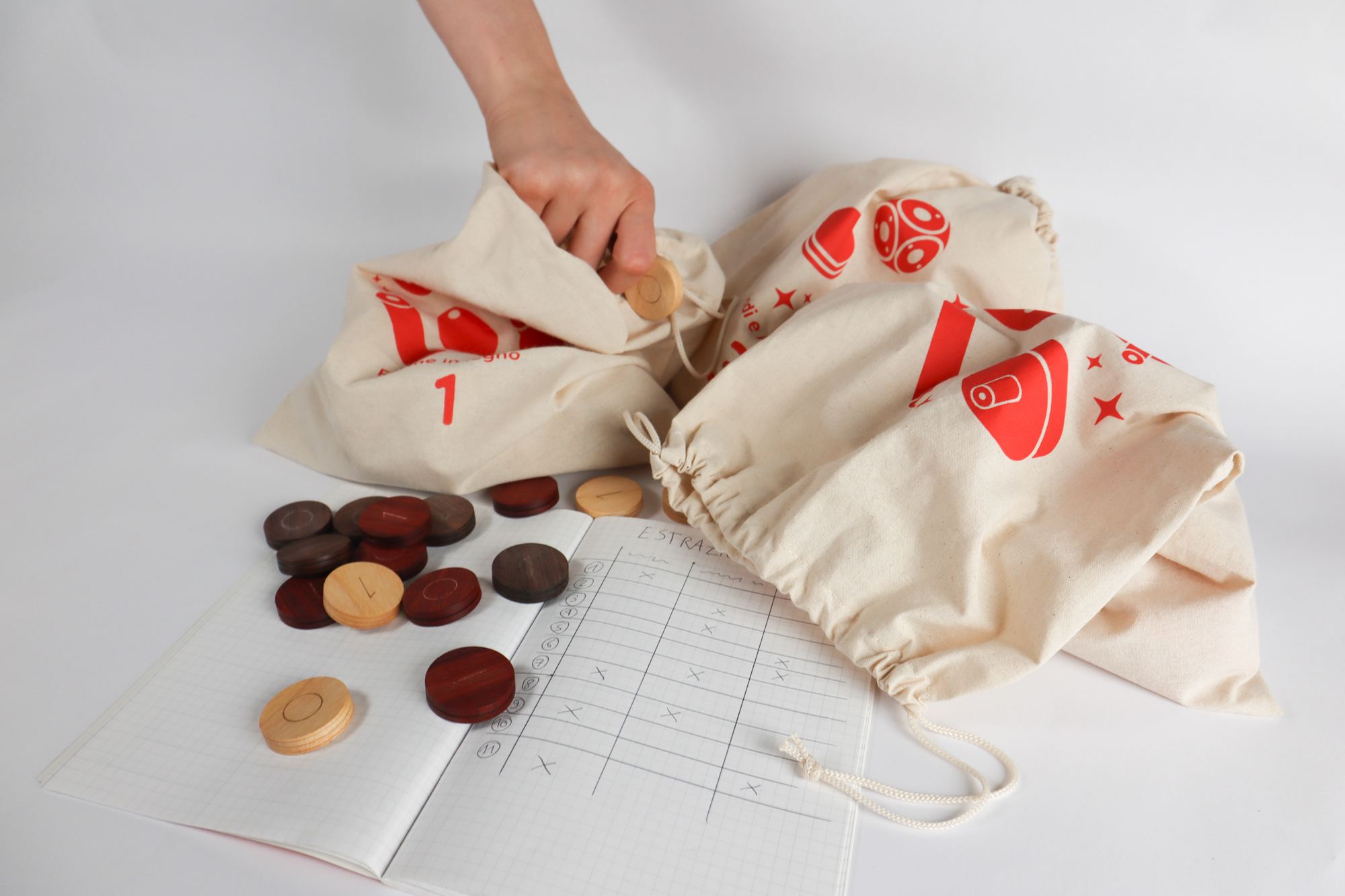
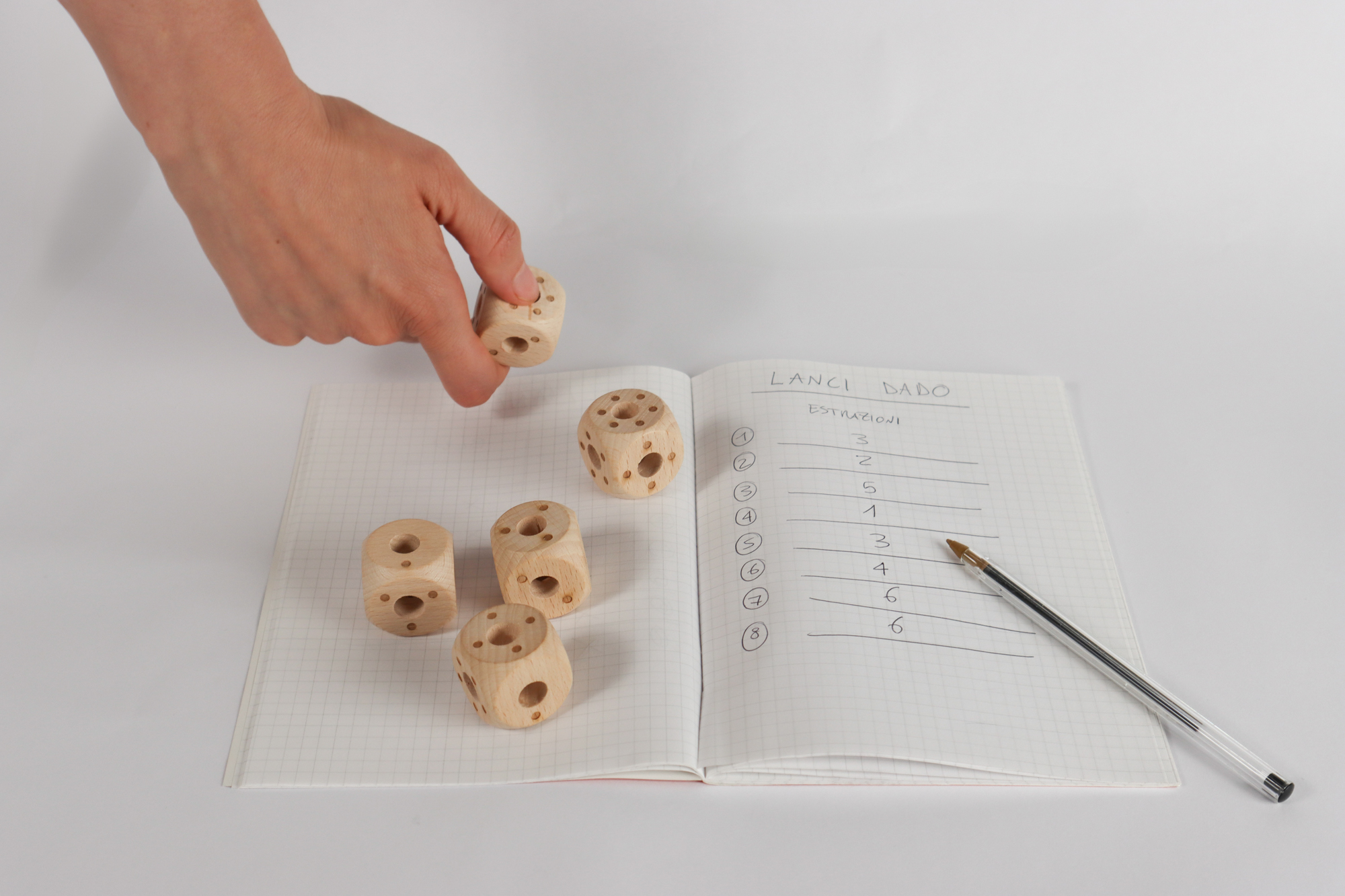
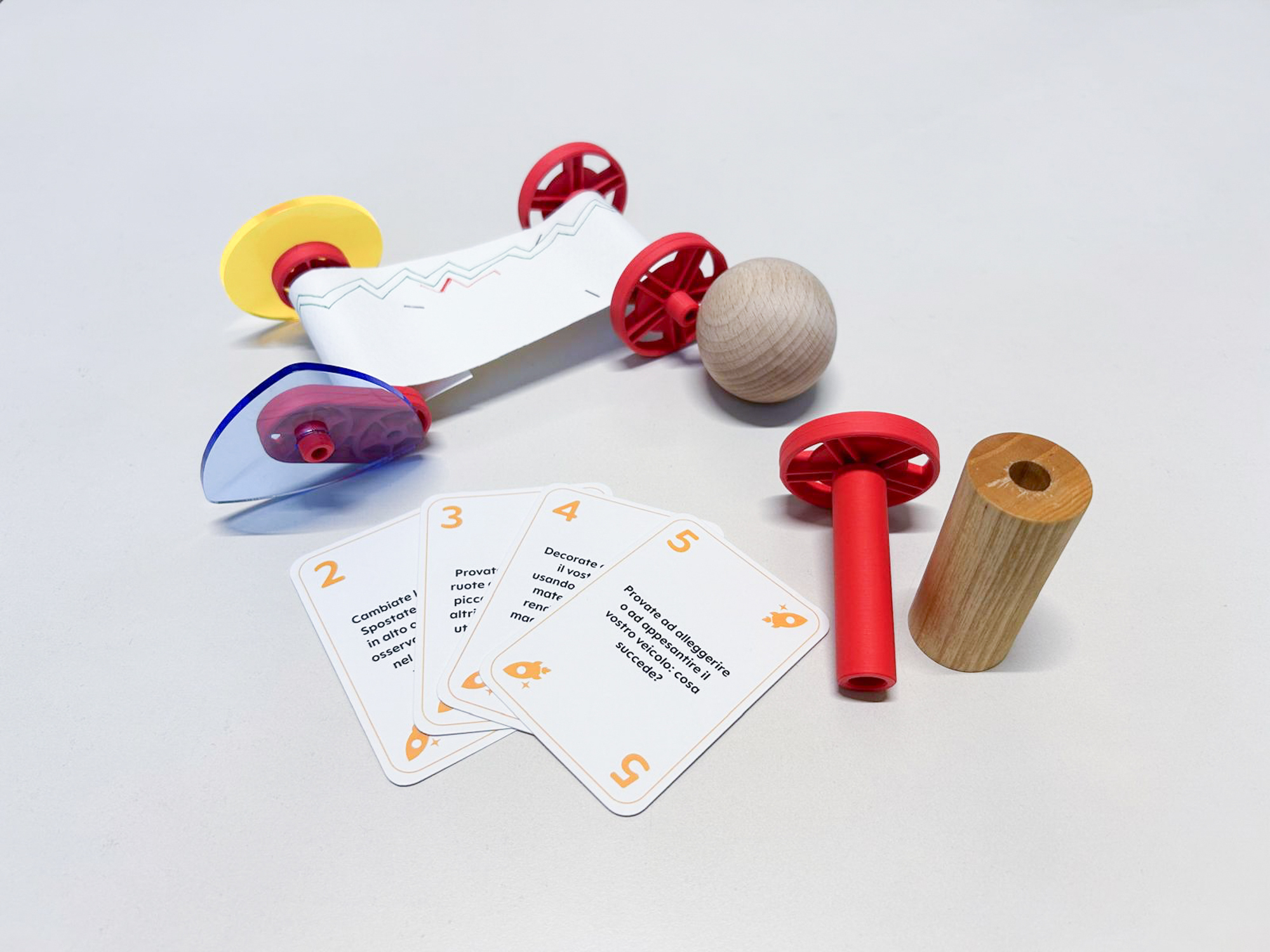
For a kit to truly work, simply handing it out isn’t enough. That’s why Scintillab also includes an in-person training day designed for teachers: an opportunity to experience inquiry-based learning activities firsthand before bringing them into the classroom. The training breaks down the barrier that often separates lab-based teaching from daily practice, making accessible an approach that many teachers would like to adopt but that remains difficult to integrate without ready-to-use tools.
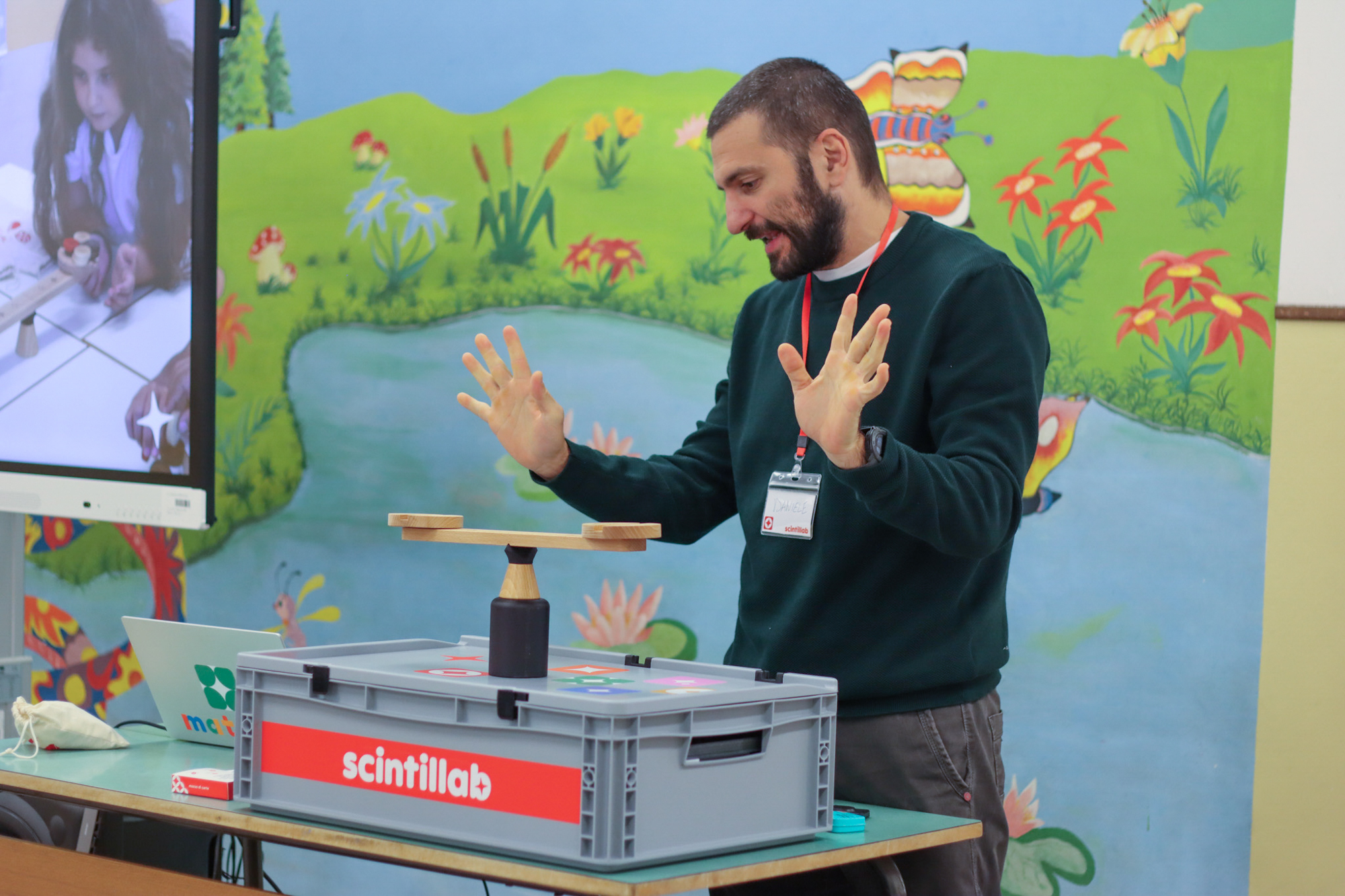
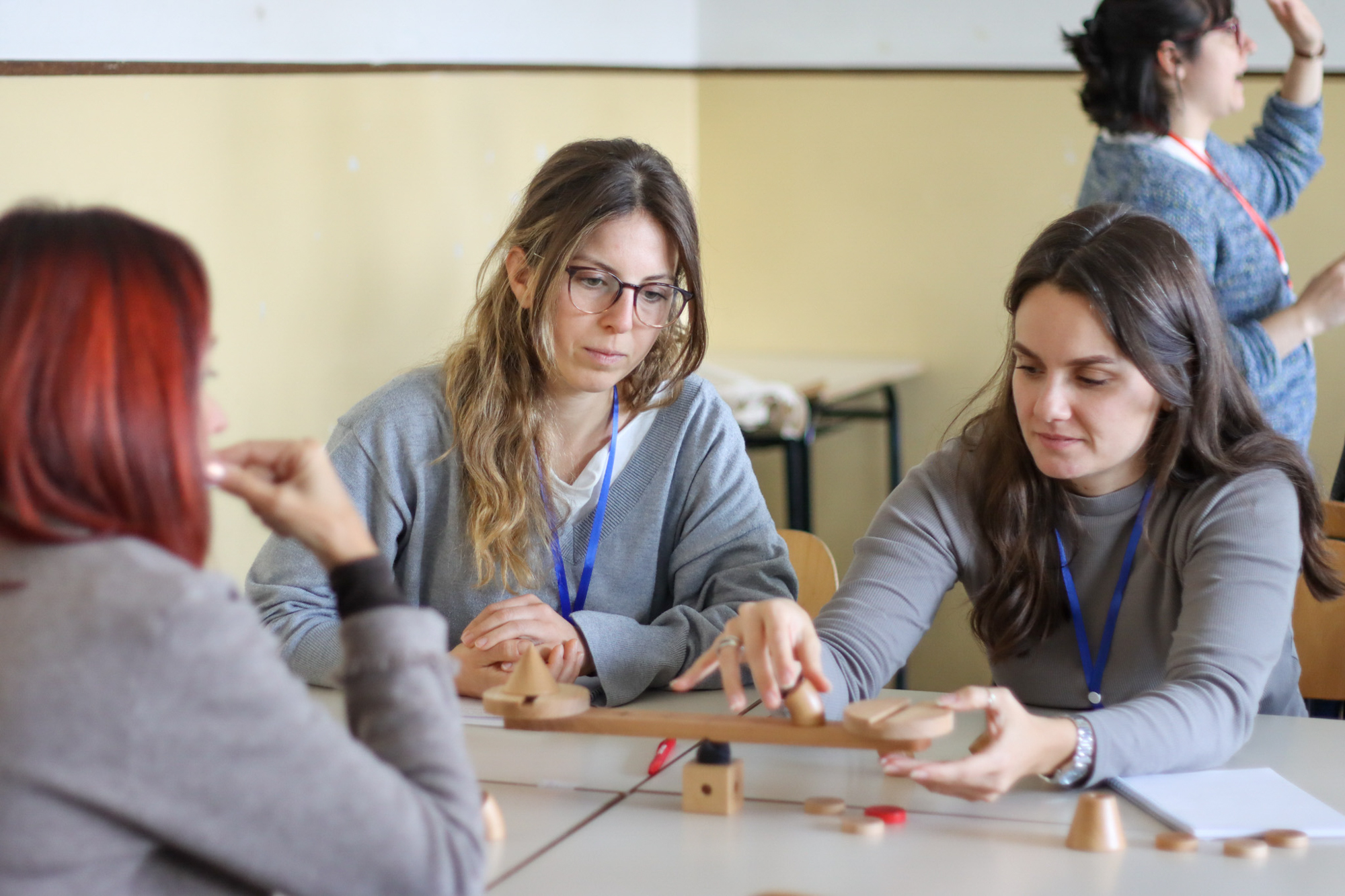
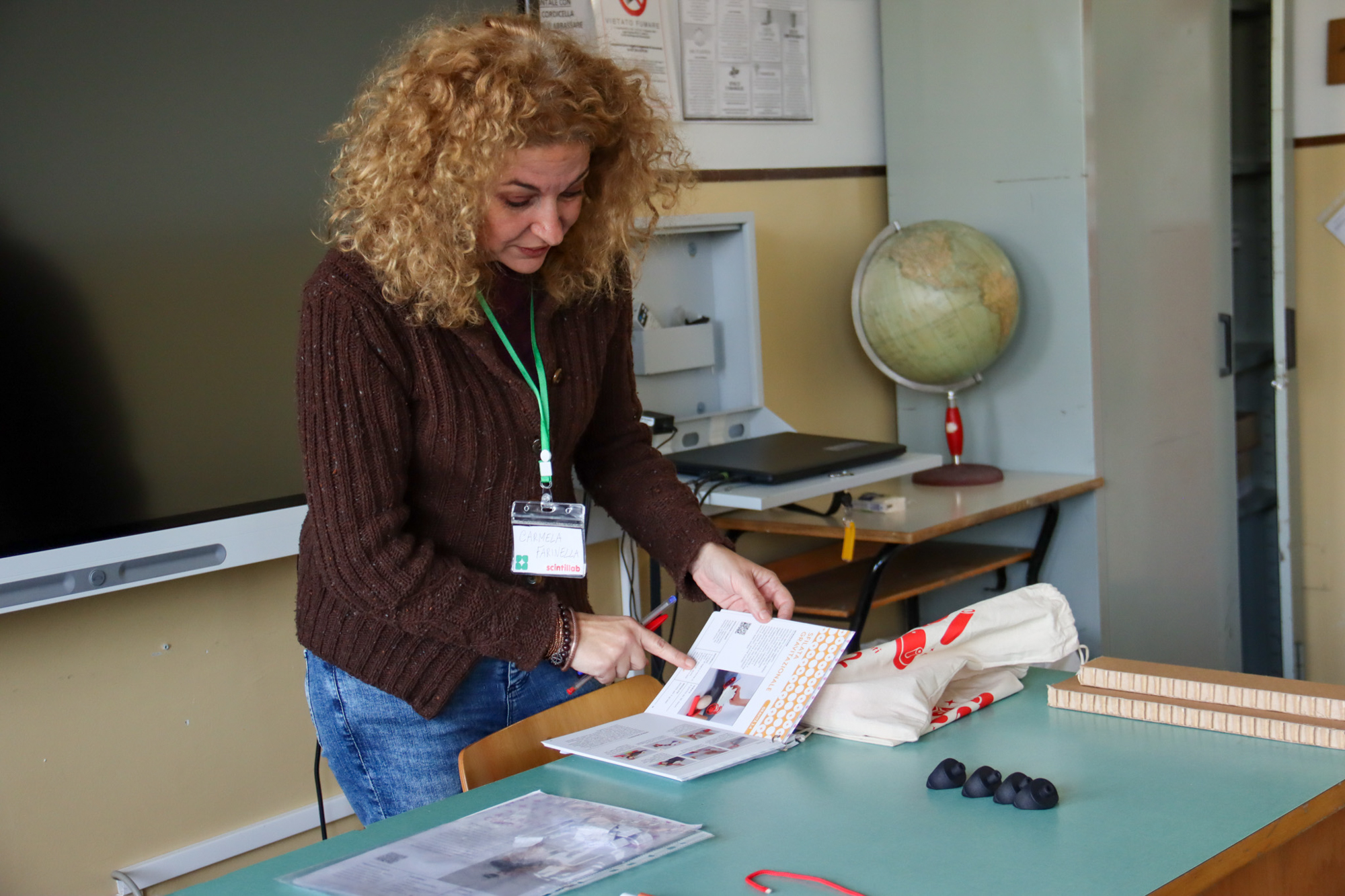
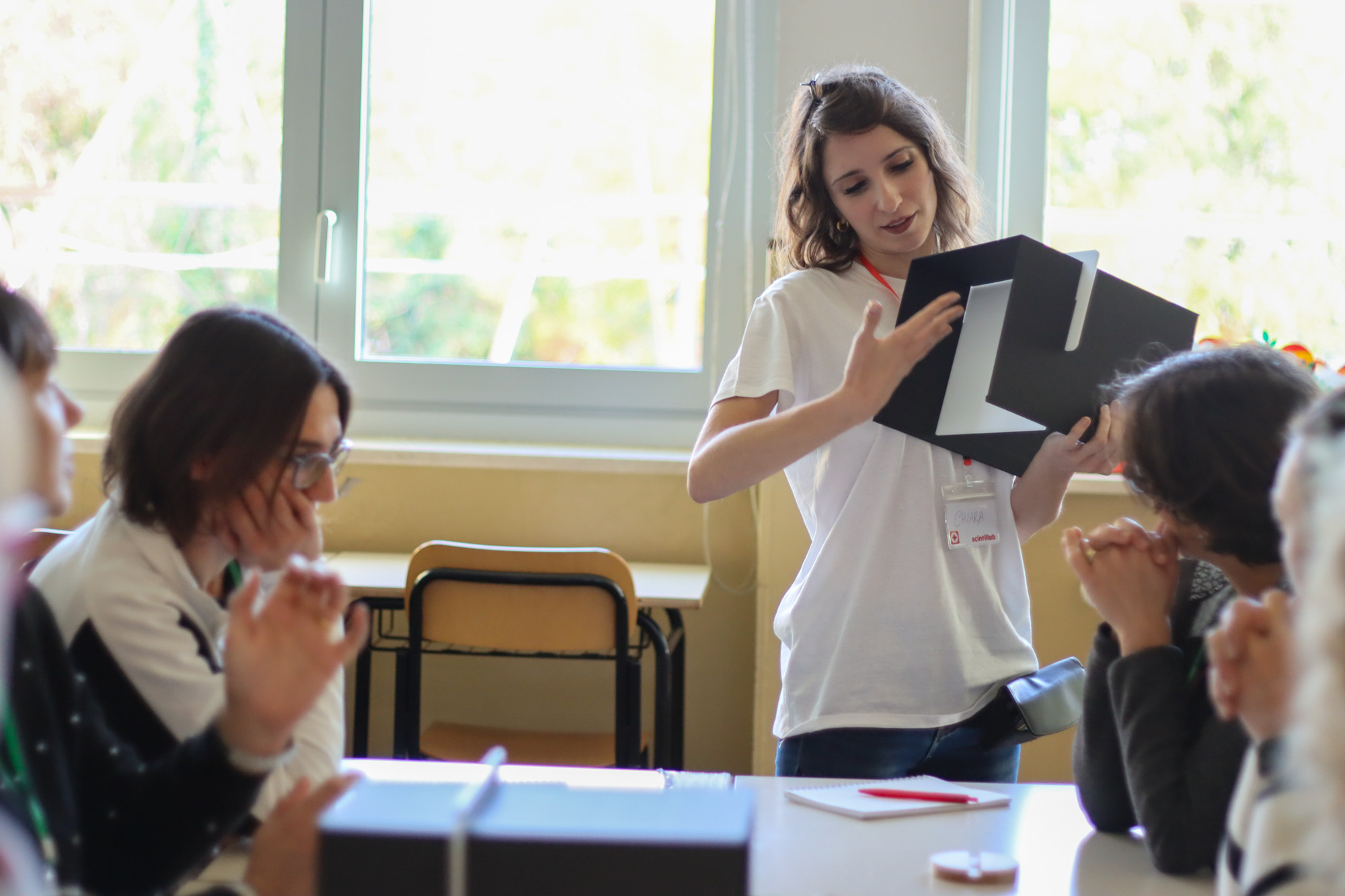
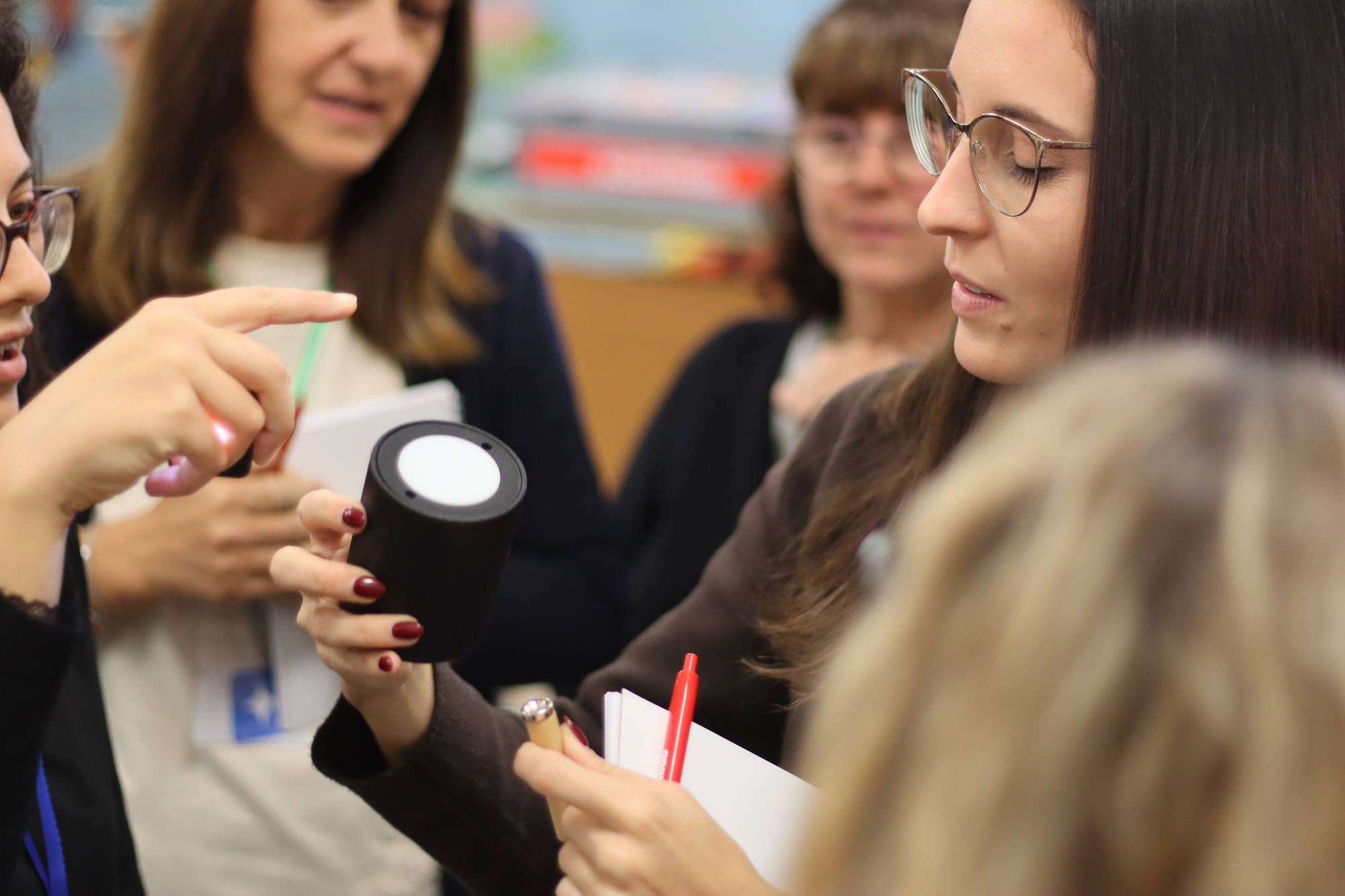
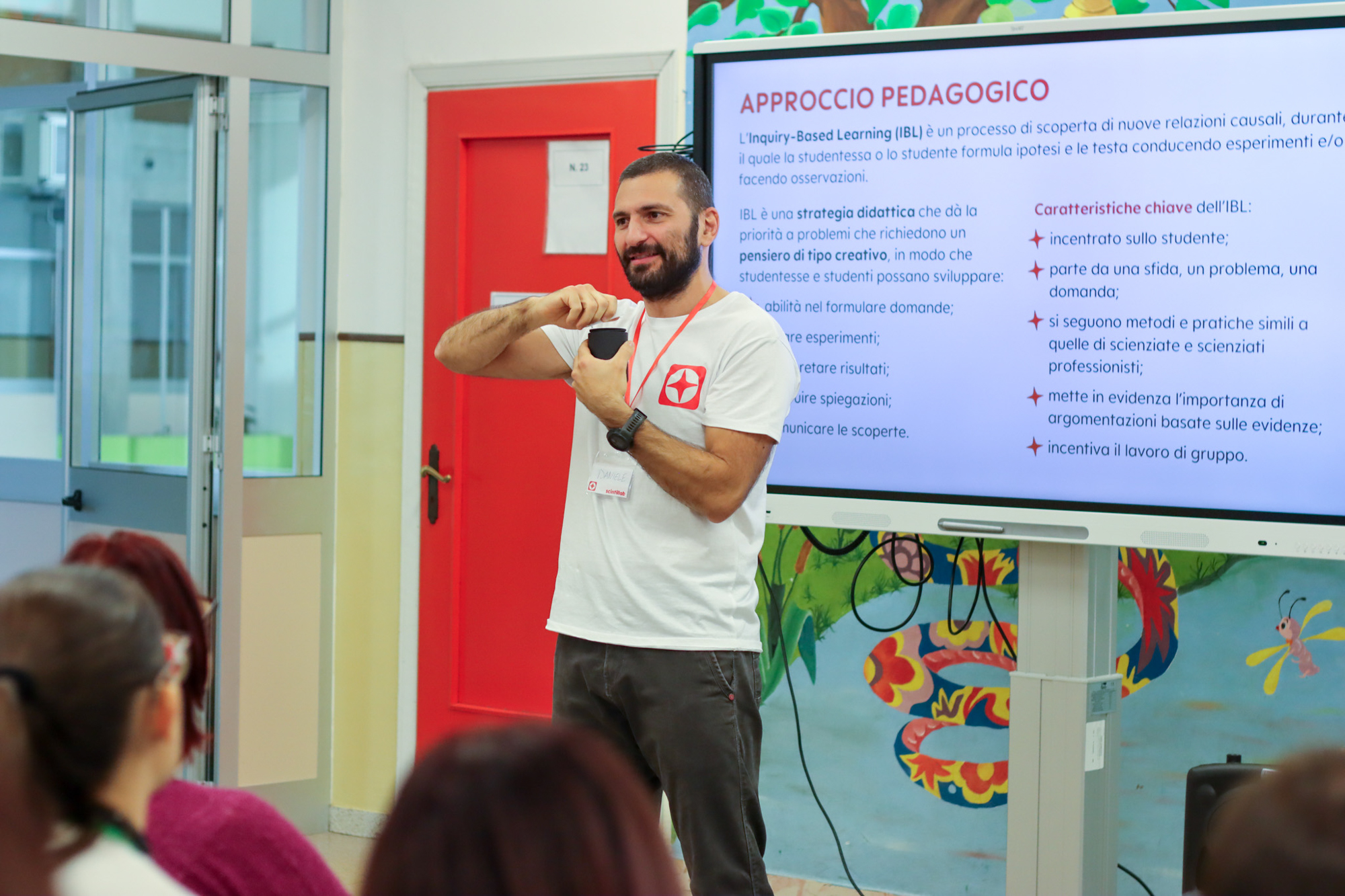
In its first edition (the 2025–2026 school year), Scintillab has already reached 61 comprehensive schools, 238 teachers, and 4,700 students in the provinces of Cuneo, Savona, Maranello, Parma, Ancona, and Matera. This was no accident: the project chose to focus its efforts primarily in provincial areas, outside major cities, to promote a more widespread distribution of educational opportunities across the region.
Over the next two years, the goal is to grow significantly: 800 teachers and 15,000 students involved, with expansion into new areas including Brindisi, Catania, and Salerno.
In this first year, the activities have sparked curiosity and engagement. The training was positively evaluated by teachers, who enthusiastically brought the activities into the classroom. For many, Scintillab represented a concrete opportunity to shift toward a more workshop-based teaching approach—made more accessible by the availability of structured, ready-to-use materials that can be easily integrated into daily practice.